
From Istanbul to Uganda: What Zero Waste Taught Us About Climate Justice.
A MEMPROW reflection after the 2nd Global Zero Waste Forum, 5-7 June 2026, Istanbul, Türkiye
Excerpt: After attending the 2nd Global Zero Waste Forum in Istanbul, MEMPROW reflects on why zero waste must be understood as climate action, economic resilience and feminist justice. The blog calls for partnerships and financing that support girls and young women to lead practical, community-rooted climate solutions in Uganda.
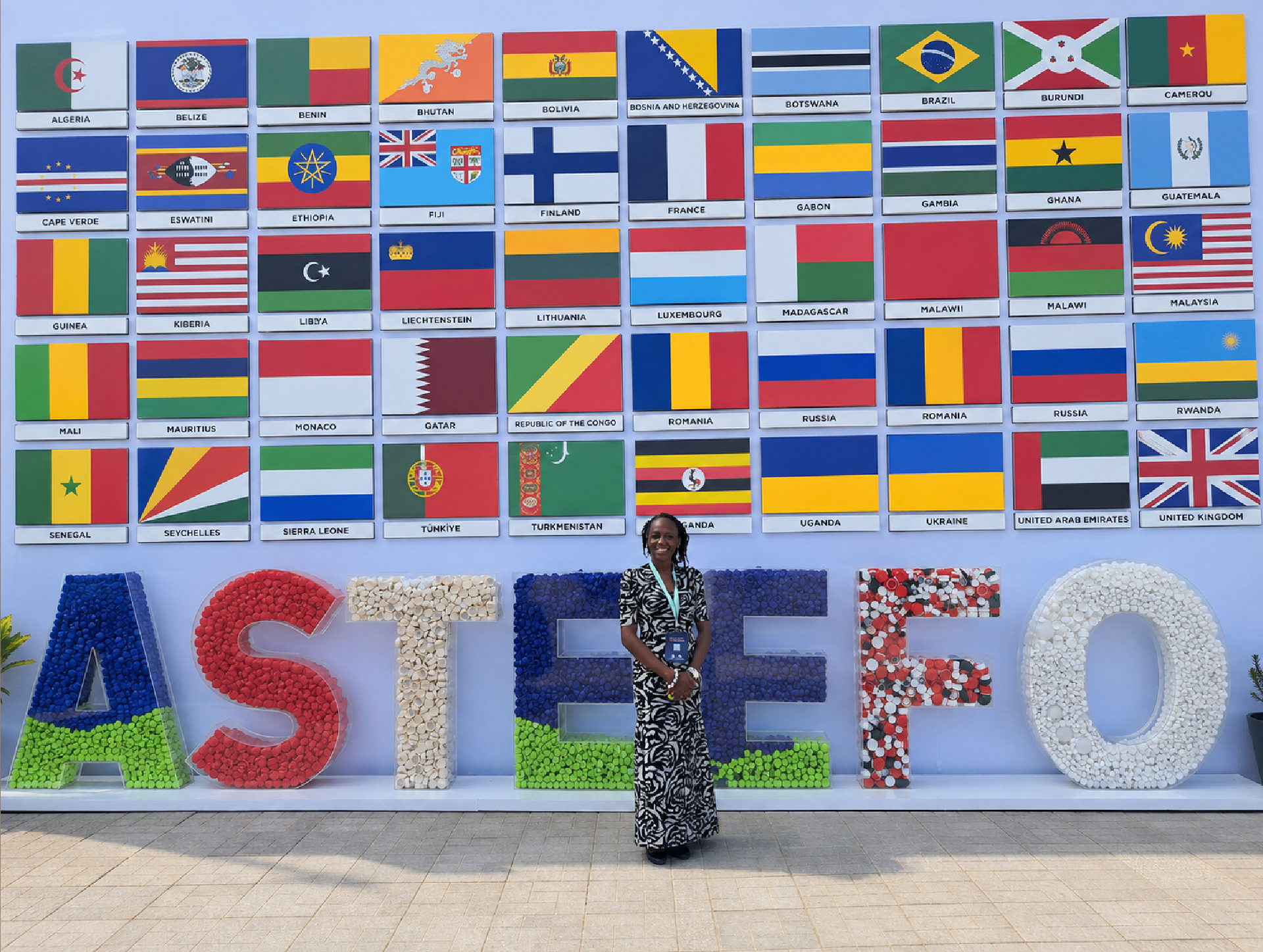
When MEMPROW's Executive Director Ms Immaculate Mukasa, attended the 2nd Global Zero Waste Forum in Istanbul, the conversations could easily have sounded like discussions about bins, plastics, recycling and disposal. But the Forum was about much more than what people throw away.
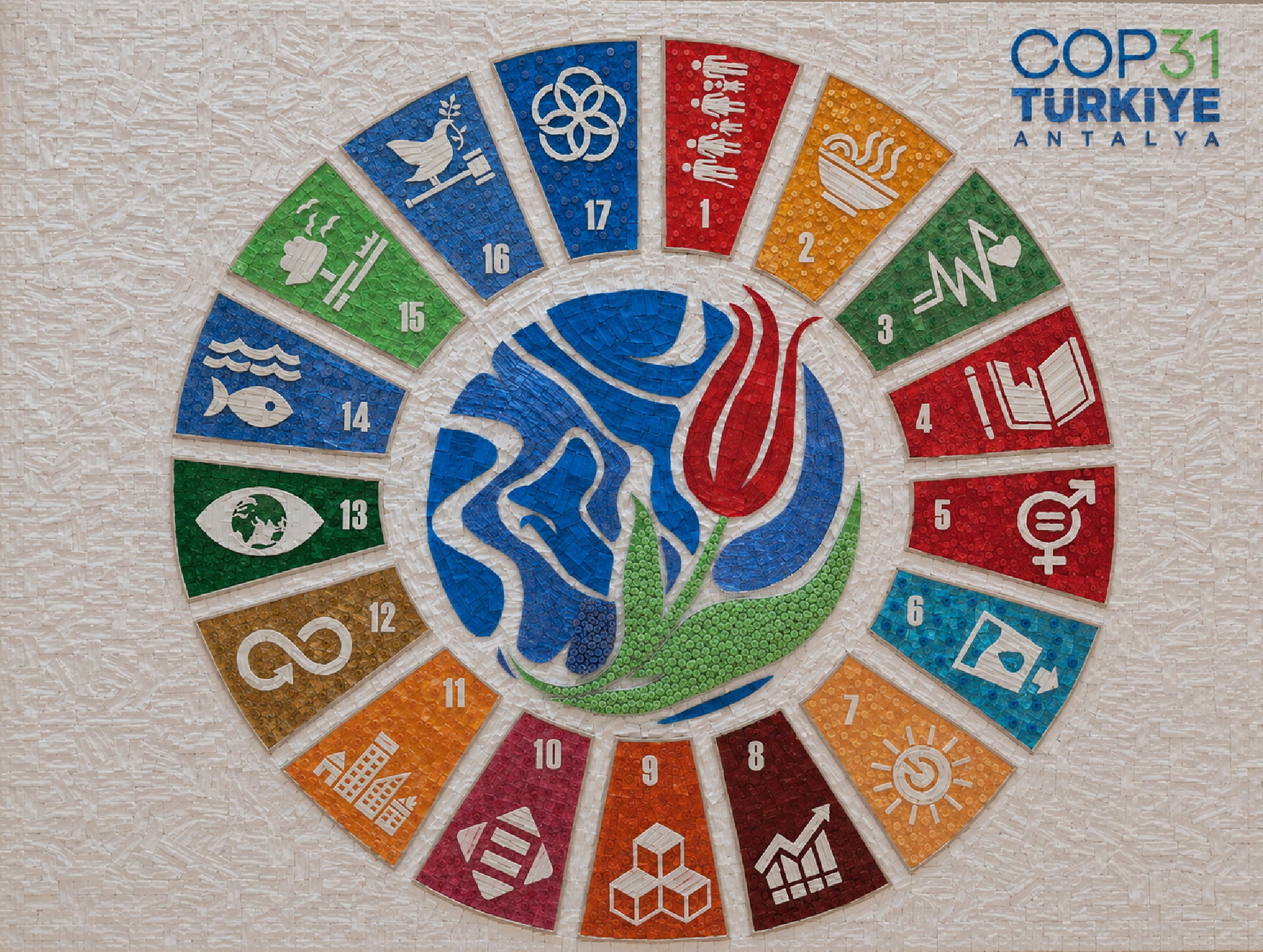
Held from 5-7 June 2026 at Atatürk Airport in Istanbul, Türkiye, under the theme 'The Road to Antalya: Zero Waste as Climate Action', the Forum placed zero waste at the centre of climate justice, economic resilience and international cooperation. For MEMPROW, this framing was timely. Our work with girls and young women continues to show that climate justice is never only environmental. It is also about health, dignity, livelihoods, safety, care work, gender justice and the right of communities to live in environments that do not expose them to harm.
Waste is a climate issue. It is also a justice issue.
One clear lesson from Istanbul is that waste should not be treated as an afterthought. Waste is connected to food systems, public health, unemployment, urban planning, energy use, poverty, and climate change. It tells a story about what societies value, what they ignore and whose lives are made harder by poor systems.
When food is wasted while families struggle with hunger, waste becomes a justice issue. When young people are unemployed, while reusable materials are discarded, waste becomes an economic issue. When low-income communities live closest to unsafe disposal sites, pollution and poor sanitation, waste becomes a public health issue. And when girls and young women are excluded from climate solutions, waste becomes a feminist issue too.
Zero waste asks us to design better systems before harm is created. It asks how we reduce waste before it exists, reuse what still has value, build circular economies that create livelihoods instead of pollution, and make sure climate solutions reach the people who need them most.
From policy language to lived practice
The Forum's four focus areas - policy to practice, scaling solutions, mobilising finance and building alliances - are deeply relevant to MEMPROW's work. In communities, these ideas are not abstract. Policy to practice can mean a school teaching learners how to reduce food waste and separate waste safely. Scaling solutions can mean a community-born idea receiving the support to grow. Mobilising finance can mean climate funding becoming accessible to grassroots organisations. Building alliances can mean bringing together those who hold resources and those who hold lived knowledge.
Girls and young women are climate actors
MEMPROW left Istanbul with one message ringing clearly: girls and young women must not be positioned only as people affected by the climate crisis. They are also climate actors. They already observe changes in their homes, schools and communities. They understand how poor sanitation affects dignity, how food waste sits alongside food insecurity, and how unemployment limits choices. They also carry ideas, energy, and leadership that can help communities think differently.
For this leadership to grow, it needs space, confidence, mentorship, resources and institutions willing to listen. Zero waste offers a practical entry point. It can be brought into mentorship circles, school conversations, community dialogues and youth-led action so that climate justice is not treated as a distant global debate, but as something connected to health, safety, livelihoods and the future.
What MEMPROW is taking forward
MEMPROW sees an opportunity to deepen climate justice work in ways that are practical, community-rooted and led by girls and young women. This includes integrating zero waste into mentorship and leadership spaces; supporting school and community conversations on waste, sanitation and sustainable livelihoods; building partnerships with schools, local governments, youth groups, women's groups, private sector actors and climate organisations; and advocating for climate finance that reaches grassroots feminist work.
To climate organizations partner with MEMPROW to make zero waste a practical community agenda in Uganda. To financial holders, foundations, development partners and private sector actors, invest in feminist, youth-led and community-rooted climate solutions that can be tested, strengthened and scaled. To local governments, schools, women's groups and youth groups, work with us to turn climate concern into everyday action, learning and leadership.
The road from Istanbul does not end at another conference. For MEMPROW, it leads back to communities: to girls and young women, schools, homes, local institutions and the daily choices that shape whether communities are safe, clean, healthy and resilient. The Global Zero Waste Forum reminded us that zero waste is not only about what we throw away. It is about what we choose to value, the systems we build and the futures we protect.
For MEMPROW, that future must be feminist, just, community-led and possible.
Written by: MEMPROW - Mentoring and Empowerment Programme for Young Women
Share this Post:>>>>
Our Development Partners